

Good Morning. Here Is Someone You Used to Be
For Indians now in their thirties, a morning notification from ten years ago has become the most uncomfortable mirror in the house.
For Indians now in their thirties, a morning notification from ten years ago has become the most uncomfortable mirror in the house.
Facebook launched in India around 2006. By 2010, an entire generation of college students had built their social lives on it. They posted everything. Hostel rooms, canteen lunches, late night terrace conversations, every feeling stated plainly in a status update to 600 people they genuinely called friends. It was the first time a generation had documented itself in real time, without filters, without strategy, without knowing anyone would ever look back.
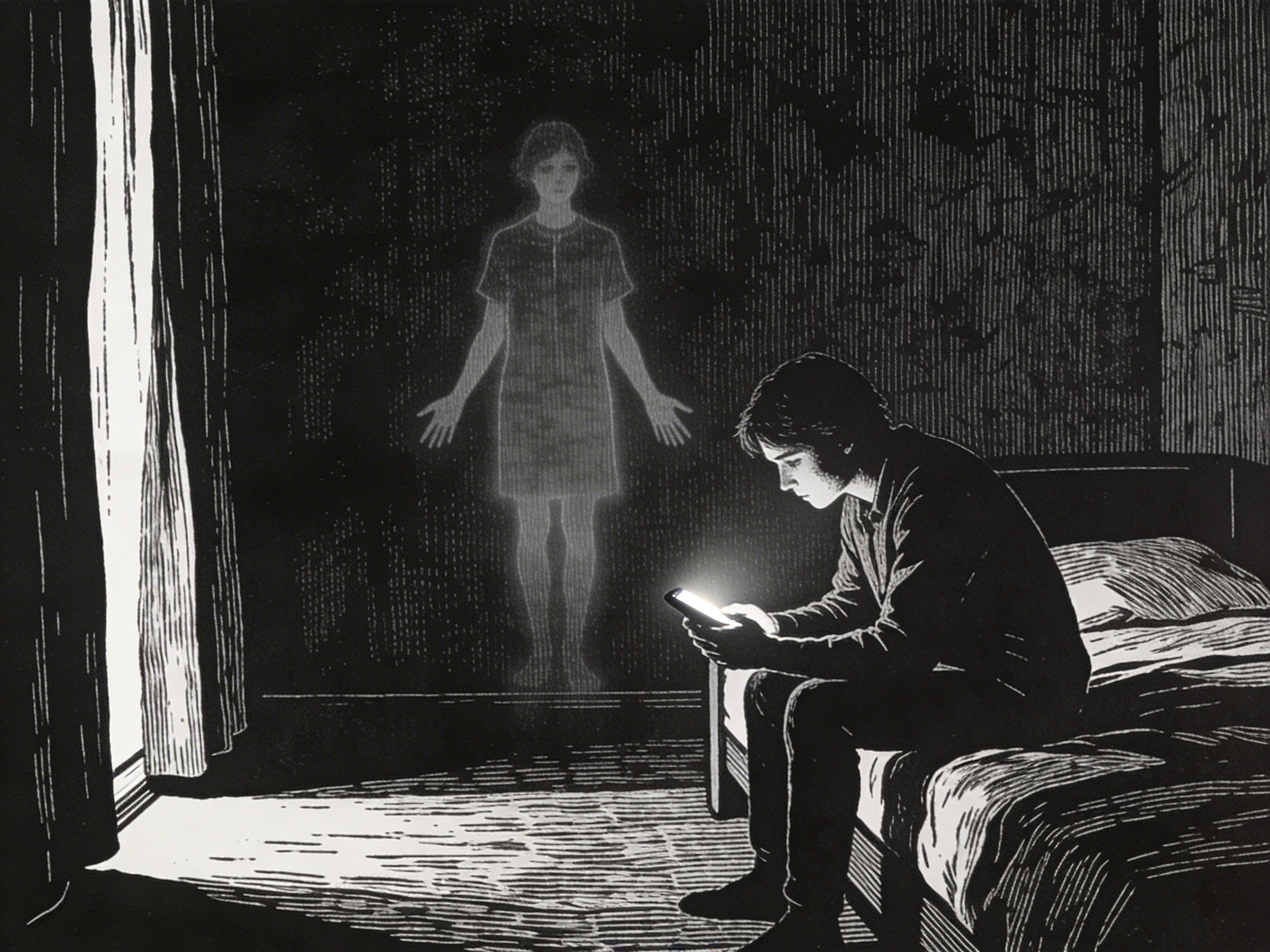
Now they are in their thirties. And Facebook, faithful as ever, keeps sending it all back.
The notification arrives on a Tuesday morning before the tea is ready. A photograph from 2014. A status update from 2012. There you are at 23, at someone's cousin's wedding, grinning at the camera with the confidence of someone who had absolutely no idea what was coming.
For most people, the clothes are the first thing. Then the caption. Then the slow, specific ache of recognising the person in the photograph and realising how little contact you have kept with them.
"I wrote things I would never say out loud now," says a friend in Delhi who is in his early 30s. "Just very honest things. I used to just say what I felt."
That honesty is what hits hardest. Not the youth, not the outdated phone quality, but the directness. The person in the post said what they meant, went where they wanted, and had not yet learned to be careful.
The thirties in India carry a particular weight. Marriage timelines, career comparisons, the quiet pressure of becoming a version of yourself that is easier to explain at family gatherings.
Somewhere along the way, most people learn to edit themselves. Facebook, frozen at the moment before all that began, did not get the memo.
It is largely abandoned now by this generation, replaced by Instagram and whatever came after. But nobody deletes it. Nobody turns the memories off.
Some mornings the notification is nothing. Some mornings it is a photograph from the last time everyone was still in the same city, before the moves and the marriages and the drift.
Facebook did not mean to become a mirror. It just never stopped watching.