

Letter-Writing Clubs in Delhi and Mumbai: Slow Communication's Comeback
They discuss paper weight, ink types, postal etiquette. It started with a post. It became something slower.
They discuss paper weight, ink types, postal etiquette. It started with a post. It became something slower.
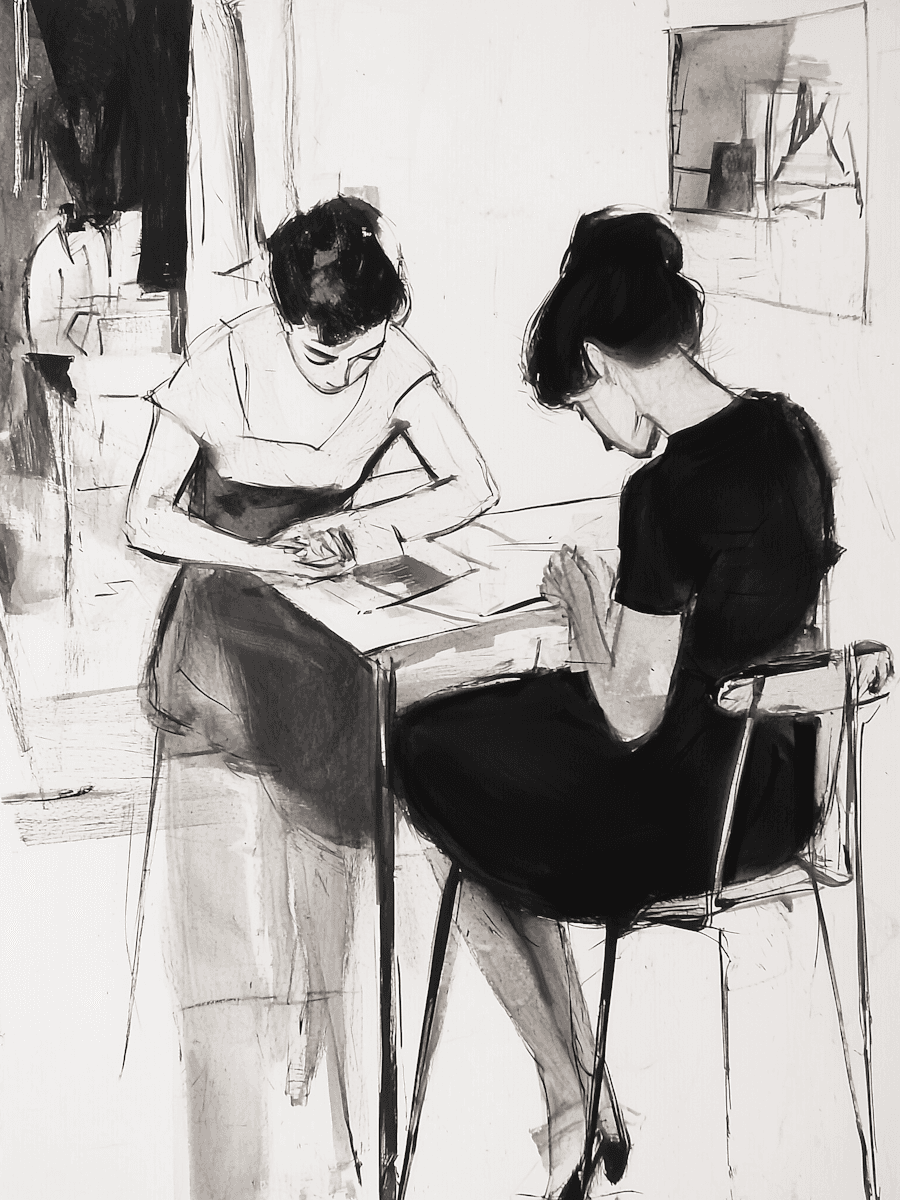
Every second Sunday, a small group of people takes a table at the Indian Coffee House in Connaught Place.
If you know the place, you know the table. The Indian Coffee House does not really do ambience in the curated sense. It does something better: it does permanence.
The same high ceilings it has always had, the same unhurried waiters in their white uniforms and fan-shaped turbans, the same feeling of a room that has absorbed decades of conversations and is entirely unbothered by one more. It is the right place, it turns out, to do something that requires patience.
They come with fountain pens. Stationery. Stamps. They sit down, order their coffee, and for two hours they write letters.
It started, as many things do now, with a post. Someone mentioned offhand on Instagram that they had written a letter to a friend and how different it had felt, and a few people responded, and then a few more, and somewhere in that thread someone said: should we just do this together sometime.
The way these things go, half of them expected it to dissolve before it became real. It didn't. Six people showed up the first Sunday. Then nine. Now there are fifteen or so regulars, mixed in age in the way that only happens when something cuts across the usual lines, a college student next to a man in his fifties, a woman who works in tech beside someone who teaches school.
What they have in common is harder to name than a demographic. It is more like a shared suspicion that something has been lost, and a willingness to spend a Sunday afternoon looking for it.
They have heard that a similar group meets in Mumbai now. Someone mentioned Pune as well. Nobody organised this. It seems to be spreading the way genuine things spread, slowly, person by person, one letter at a time.
A letter requires something that most of our communication no longer asks for. You cannot write one in the gaps between other things.
You need time that belongs entirely to the page in front of you, a thought you are willing to follow to its end, a commitment to finishing before you send.
There is no typing indicator while you compose it. No read receipt when it arrives. No blue ticks creating that small anxious obligation to respond within the hour. You write, you fold it, you stamp it, you let the postal system take it at its own unhurried pace, three to seven days, which is a feature rather than a problem once you understand what you are actually doing.
The letters change in that gap. Without the pressure of instant delivery, people write differently. They go further in. They say the thing underneath the thing, which WhatsApp, with its screenshots and its forwards and its perpetual readiness to be seen by the wrong person, does not always allow.
And because you cannot delete what you have written, only cross it out, the honesty stays visible. The changed mind is there on the page. The word you almost used, crossed out just above the word you chose instead.
One of the regulars told me she had never received a handwritten letter before joining. When the first one arrived she didn't know what to do with it, whether to text an acknowledgement, whether to photograph it, whether to simply hold it for a moment and let it be the thing it was.
Texting felt wrong. So she wrote back. And then there was another letter. And then another. A conversation five letters deep now, going somewhere neither of them had intended, saying things that would never have survived the speed of a chat window.
The Indian Coffee House keeps doing what it has always done around them. The coffee arrives. The ceiling fans turn. The room holds them without making a fuss about it.
Outside, Connaught Place does its loud and circular thing. Inside, for two hours on a second Sunday, fifteen people are writing to someone specific, in permanent ink, at their own pace, with full intention.
It is, in 2026, a quietly radical thing to do.