

The Mixtape Is Back. It Never Really Left
The mixtape never needed technology to survive. It only needed the very human desire to say something that ordinary conversation cannot hold.
The mixtape never needed technology to survive. It only needed the very human desire to say something that ordinary conversation cannot hold.
There is a USB drive sitting on Kavya's desk in Hyderabad with fourteen songs on it and no title. Her college roommate sent it in the post last month, tucked inside an envelope with no letter, just a small piece of paper that said: in order, please.
Kavya is 31. She listened to it twice before she cried, once before she called.
The mixtape never needed technology to survive. It only needed the very human desire to say something that ordinary conversation cannot hold. A playlist shared on Spotify takes eleven seconds and arrives with no weight. A mixtape, physical or otherwise, takes hours. You sequence it like an argument. You choose the opening track the way you choose the first thing you say after a long silence. Every song is a decision. The whole thing is a letter written in someone else's words.
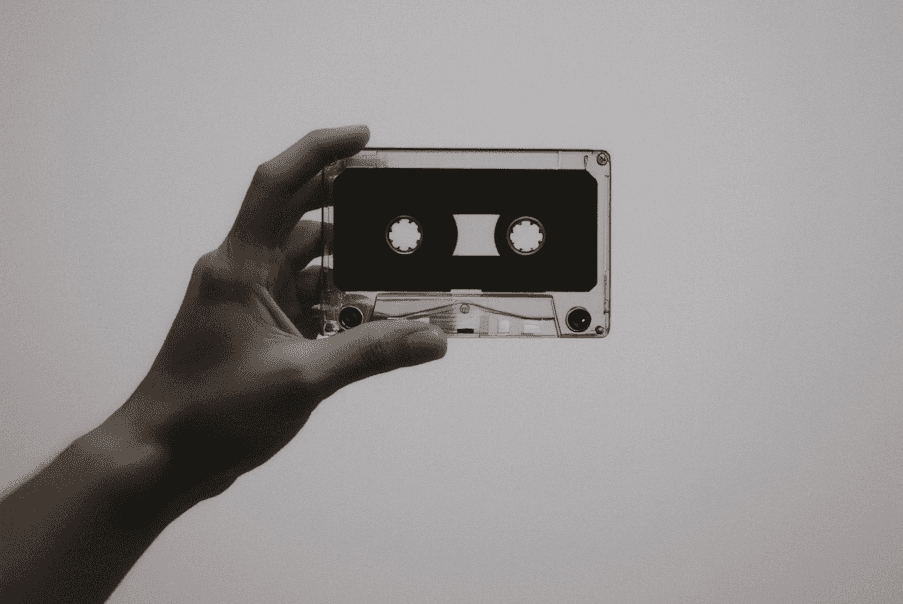
For a small, quiet community of people in their thirties, the practice never stopped. They send USB drives and burned CDs and, occasionally, actual cassettes sourced from shops in cities that still have such shops. Not ironically. Not as an aesthetic gesture. Because they mean it, and they know no faster way to say so.
"A playlist is something you share," says Arjun, 33, from Bombay, who has been making mixtapes for friends since his first iPod. "A mixtape is something you make for one person. The whole thing is about them. Spotify cannot do that."
What streaming removed, beyond the physical object, was the effort. And effort, it turns out, is the point. The hours spent is the message. The careful sequencing is the message. The fact that someone sat with your name in their head for an entire afternoon, choosing songs, is the message.
The generation that grew up burning CDs on slow desktop computers understands this in a way that is difficult to explain to someone who has only ever pressed share. Music was never just music. It was the thing you gave someone when you did not have the words. It was the closest you could get to handing someone the inside of your chest and asking them to take care of it.
Kavya still has not told her roommate what the mixtape did to her. She is making one back instead.