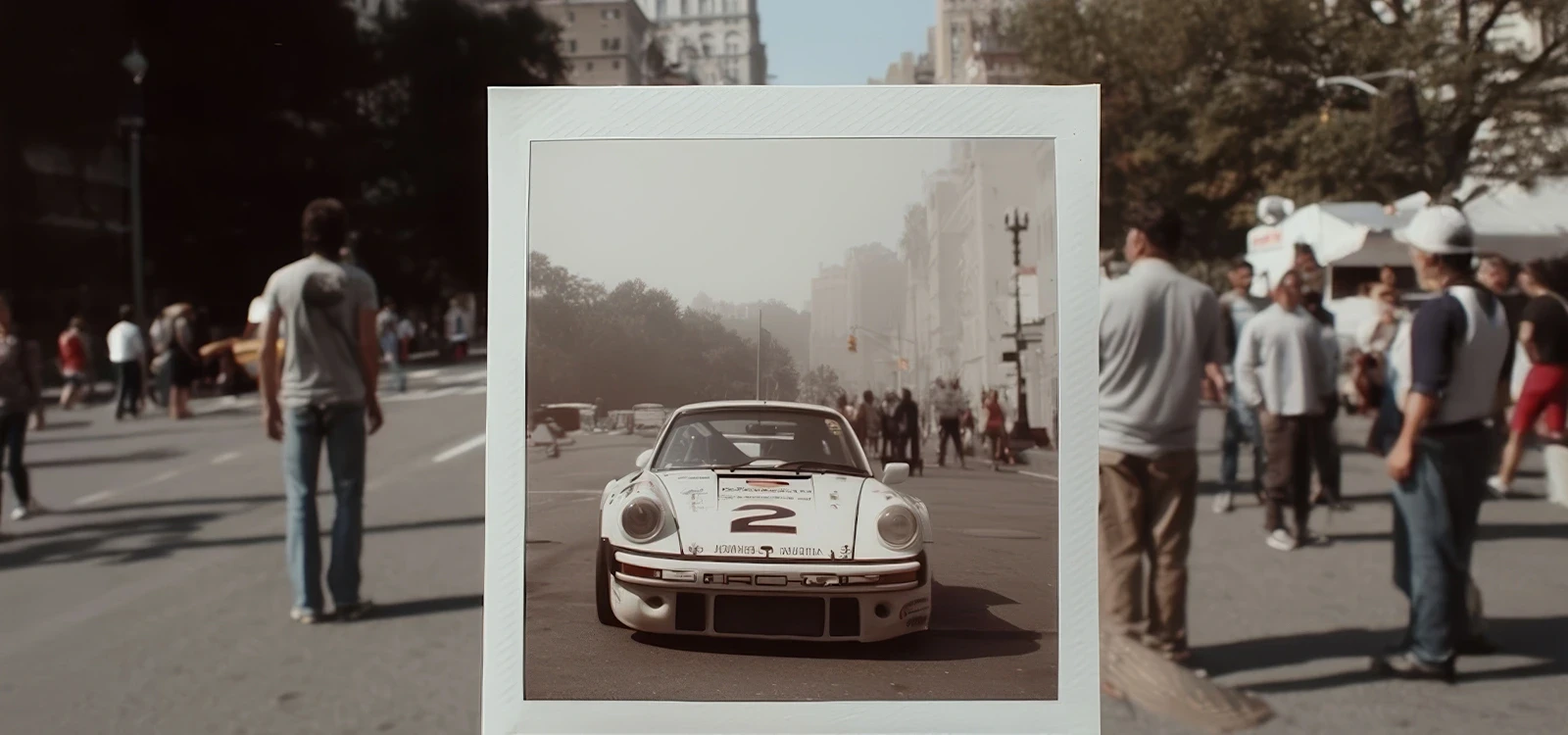
I know someone who shoots film in 2026 and it isn’t the romantic kind of difficult you imagine from old movies. It’s practical difficult.
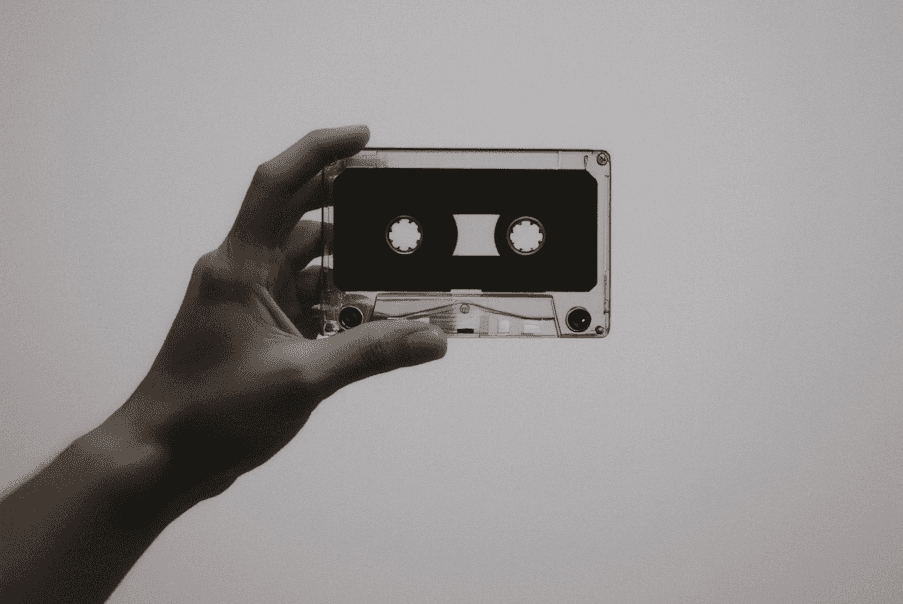
She carries a late-90s Canon EOS film camera, the sort that still has autofocus and a built-in light meter, the sort that doesn’t make you feel like you’re cosplaying a different decade. It takes the same 35mm rolls you can still find if you look hard enough. Thirty-six frames. That’s the agreement.
On our phones we take two hundred photos on a walk without thinking. We spray the moment until it submits, then we edit the evidence and post the best lie. Film does not let you do that. You don’t check the screen. You don’t delete. You don’t fix it later. You press the shutter and you have to live with what you chose.
The strangest part is how quickly this changes your body. You stop lifting the camera for everything. You start waiting. You notice light like it’s a real material, not a filter. You catch yourself asking, quietly, is this worth one of my thirty-six?
In India, the costs make that question sharper. A roll, plus development and scanning, can easily run into the hundreds. Sometimes it means dropping film at a lab across town. Sometimes it means packing it carefully and mailing it, then waiting days like you’re expecting a letter. The delay kills the loop we’ve built around images: shoot, post, check, repeat. Film refuses to perform on schedule.
And then there’s the small miracle at the end. You get the scans back and half the time you’ve forgotten what you shot. A street corner. A friend’s profile in bad light. A cup of chai. A blur that would have been deleted on a phone but on film looks like memory.
The irony is obvious. These photos still end up online, still get posted, still sit in the same feeds. But they look like someone was there, hands slightly unsteady, heart fully present. The grain, the imperfect colours, the occasional light leak. Proof of a human behind the lens.
Thirty-six frames. Not infinite. Just enough.