

The Polaroid Wait: Why Instant Isn't Always Better
We're used to taking seventeen photos to get one perfect shot, deleting the rest before anyone sees our failures. The Polaroid removes that option. What you shoot is what you get, flaws included.
We're used to taking seventeen photos to get one perfect shot, deleting the rest before anyone sees our failures. The Polaroid removes that option. What you shoot is what you get, flaws included.
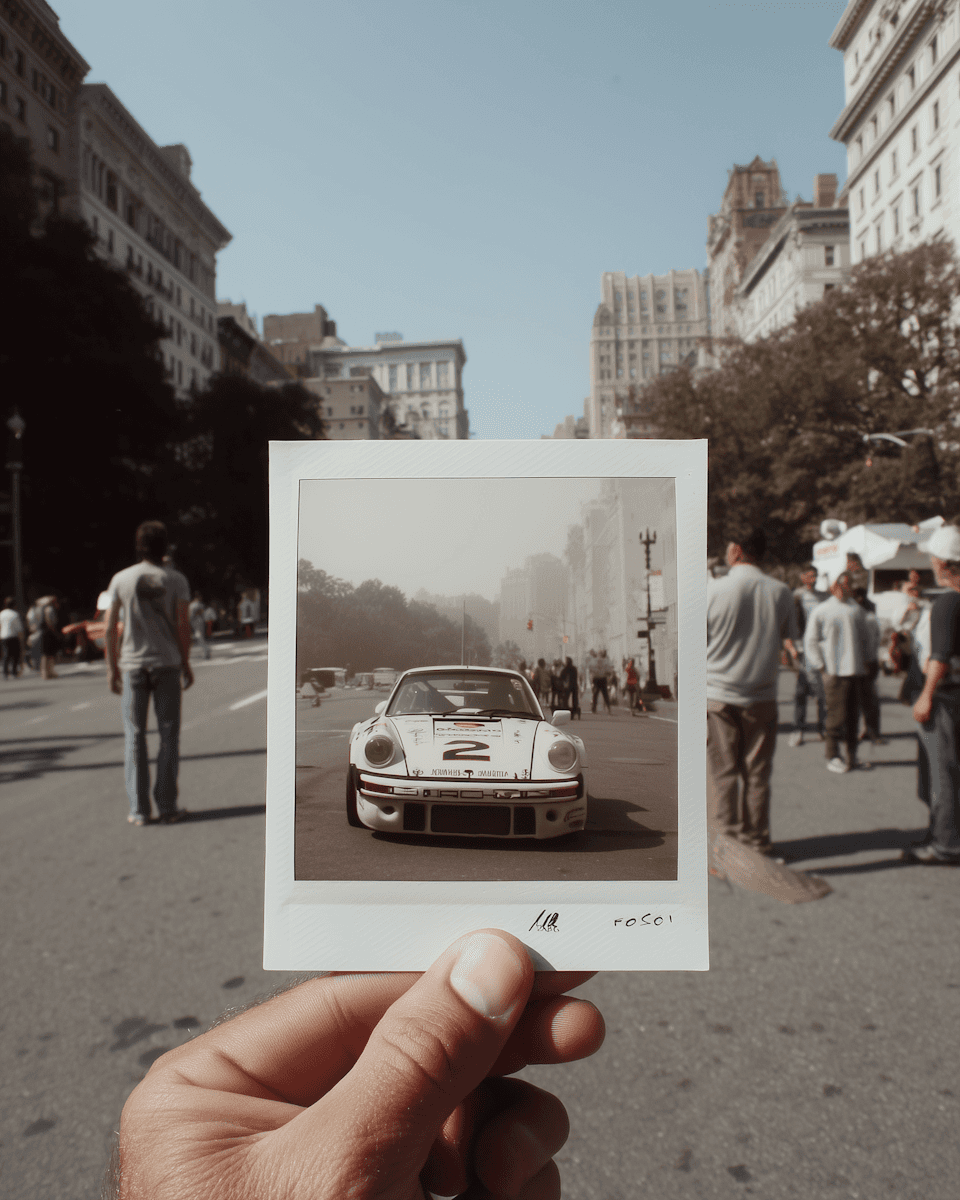
We gave her the Polaroid as a farewell gift, six of us pooling in, half-joking about it in the way you half-joke about things when you don't quite know how to say what you actually mean.
She was leaving the team. Not Delhi, not us entirely, but the particular version of us that existed in that office, in that specific arrangement of desks and tea breaks and shared frustrations and the kind of friendship that grows sideways without you planning it.
She was moving to a new company. It was a good thing. We were proud of her and sad about it in equal measure, the way you can only be sad about good things.
So we bought her a Polaroid. And two weeks later, before the new job began and the new routine claimed her, we went to Goa.
One last trip. That was the understanding, even if nobody said it out loud.
She brought the camera everywhere, a little self-consciously at first, the way you use a gift in front of the people who gave it to you. We teased her about it because that is what we do. We had four phones between us, we said. We have lived-in cameras and unlimited storage and the ability to take the same photograph eleven times until everyone's eyes are open. What are we going to do with one small square of film at a hundred and fifty rupees a shot?
As it turned out: pay attention.
The first photograph she took was of all of us on the beach that first evening, the light going that particular Goa gold it does around six o'clock when even ordinary things look like they were composed by someone.
We crowded around to watch it develop. Ninety seconds, all of us looking at the same small square, not at our own screens, not at our own versions of the moment, just together, waiting.
The colours came first, uncertain and warm. Then the shapes. Then our faces, slightly overexposed, a little softer than real life, one arm blurred because someone had moved mid-frame.
On a phone that blur would have been a reason to delete it. On the Polaroid it was just the truth of the moment. Someone had moved. Someone was already slightly in motion, which, looking back, feels like exactly the right photograph for that particular trip.
We had eight frames left after that first one. Four days ahead of us. We had to choose.
I hadn't realised how long it had been since I'd chosen a photograph rather than simply taken one.
How automatic it had all become, the pointing and the clicking and the scrolling through and the deleting of the imperfect ones, the whole process so fast it barely counted as seeing.
The Polaroid made us slow down and look and ask: is this the moment? Is this the one we want to use a frame on?
That question changed something. Not dramatically. Just quietly, the way the right question does.
By the last day we had eleven photographs. The morning beach before anyone else was awake. The table at the shack where we ate fish curry every single evening because none of us could agree on anywhere else and also because it was perfect.
The one someone took of just her hands holding a coconut because the light was right and we had one frame left and it felt like the right way to use it. Eleven small, imperfect, irreplaceable squares.
She went back to Delhi and pinned them above her new work desk. Sent us a photograph of them.
But I understood. The Polaroids were the trip in a way the phone photographs weren't. Because they had cost us something to take: attention, intention, the willingness to stand still for a moment and decide that this was worth remembering.
She's three months into the new job now. We still meet, just less and with more planning, the way adult friendships reorganise themselves around the new shape of your life.
The particular version of us that existed in that office is gone, the way those things go, not badly, just finished.
But those eleven photographs exist. Already changing, already going a little warm at the edges, already becoming the past in the way that things you can hold in your hands become the past.
The phones captured the trip. The Polaroid remembered us.