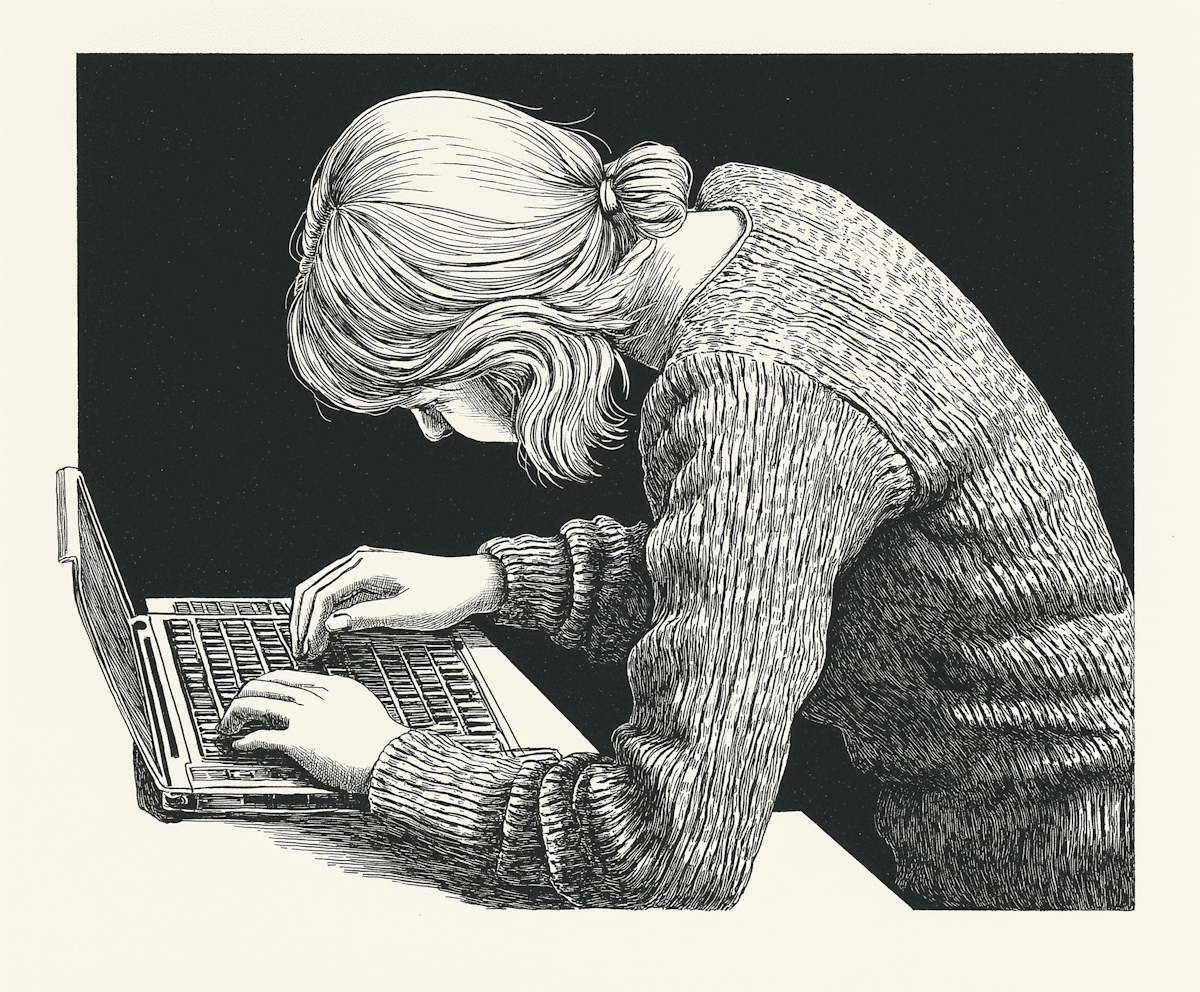


Chai Without Scrolling: The Lost Art of Doing Nothing
This is the death of chai time, that sacred 15-minute ritual that used to mean sitting, sipping, thinking, talking, or simply staring out the window.
This is the death of chai time, that sacred 15-minute ritual that used to mean sitting, sipping, thinking, talking, or simply staring out the window.
There is a particular kind of morning my grandmother used to have, and I have spent most of my adult life failing to replicate it.
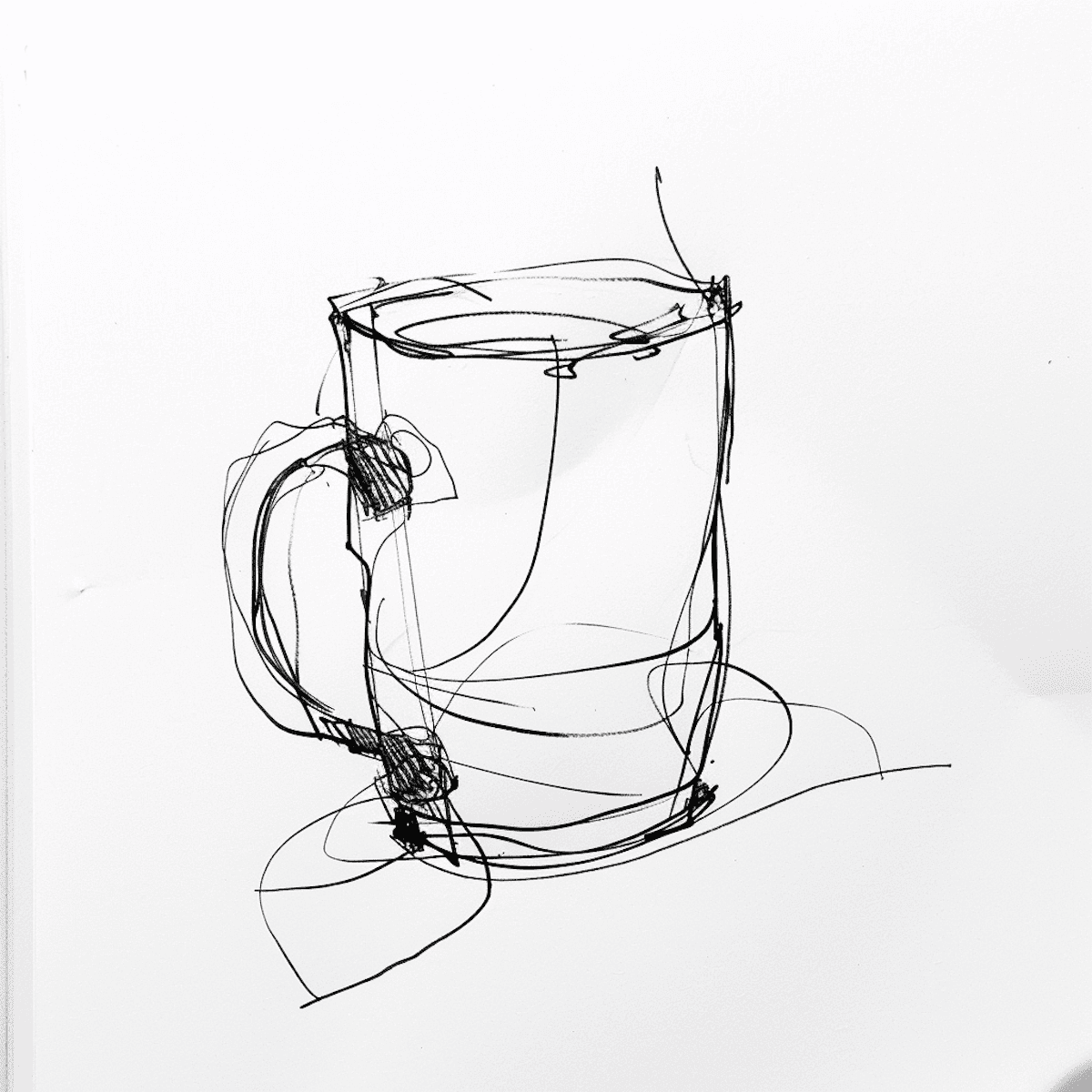
She would wake early, make her chai the same way she had made it for fifty years, and then she would sit. At the window, or on the small balcony, or at the kitchen table if the weather was unkind. She held the cup with both hands. She looked at nothing in particular. The chai steamed. The street did its morning things outside. She was, by every measurable standard, doing nothing at all.
I used to think this was a generational thing, a habit left over from a time before there was anything better to do. I understand now that it was the opposite. It was the whole point.
I drink my chai with my phone in my hand. Or I did, for years, without really noticing, the cup in one hand and the scroll in the other, barely tasting either, consuming the tea the way I consumed the content: quickly, automatically, without being present for any of it. One morning I finished my chai and realised I couldn't have told you whether it had cardamom in it. I make it myself. I make it the same way every morning. I had no idea.
This is what we have done to chai time, that small sacred interruption the day used to make for itself. Fifteen minutes that belonged to no one, that had no deliverable, that existed purely to let you sit and sip and think or not think and watch the light move and be, briefly, a person rather than a user. We have filled it. Of course we have. We fill everything.
The restlessness, when I first tried to sit without my phone, was real and slightly embarrassing. I finished the chai in four minutes and didn't know what to do with my hands. I checked the time. I thought about checking my phone. I looked out of the window and felt, genuinely, that I was wasting something.
But the street was there. The specific sounds of a morning I had been drinking chai through for years without once hearing, the pressure cooker two floors down, the autorickshaw that always idles at the same corner, pigeons conducting whatever pigeons conduct at seven in the morning. The chai tasted of ginger that day. I don't know when my mother started adding more ginger. I'd been drinking it without tasting it for long enough that I had missed the change entirely.
My grandmother never once, to my knowledge, looked at a screen during her morning chai. I was there for many of those mornings, visiting in summers and winter breaks, and I remember watching her the way you watch someone do something you don't yet understand. She wasn't meditating. She wasn't being intentional, that word we reach for now when we mean simply paying attention. She was just drinking her chai. Fully, quietly, with both hands around the cup, as if it deserved that much.
It did. I know that now, too late to tell her, which is perhaps the particular tax of understanding things only after they are no longer available to you.
We need rules now to manage what she simply did. That is the part worth sitting with.
Quietly. With both hands around the cup.